
Welcome to WorA Case Study from Rural Bangladesh
Introduction: The Night the Story Started
If you ever spend a night in a Bangladeshi village, you will notice something interesting. When the evening prayer is over and dinner plates are cleared, people gather outside, on verandas, tea stalls, or under a big mango tree. Someone brings up a strange story, someone else adds a detail, and suddenly the whole group is discussing something mysterious.
It usually starts like this:
“Did you hear what happened near the bamboo grove last night?”
Everyone leans closer.
That’s how many horror folklore stories begin, not as ancient myths, but as simple gossip that slowly transforms into folklore.
In this case study, we look at how one rumor in a rural community slowly became a widely believed ghost story involving the spirit known as Nishi.
The Village Setting
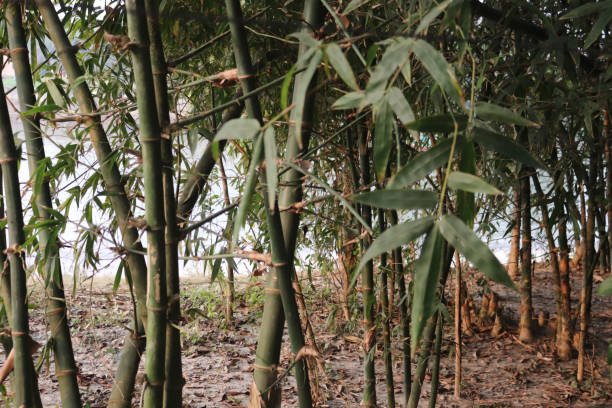
The story comes from a village surrounded by rice fields, ponds, and bamboo clusters. At night, the place becomes very quiet. The only sounds are frogs, insects, and occasionally the wind brushing through the bamboo leaves.
One of the villagers explained it perfectly:
“At night the village feels like a different world. Even small sounds feel strange.”
In such environments, imagination naturally becomes active.
The First Rumor
The gossip started with a young man named Rahim (name changed for privacy). According to him, one night he heard someone calling his name outside his house.
“Rahim… Rahim… come outside.”
The voice sounded exactly like his mother’s voice.
But there was something odd.
His mother was asleep inside the house.
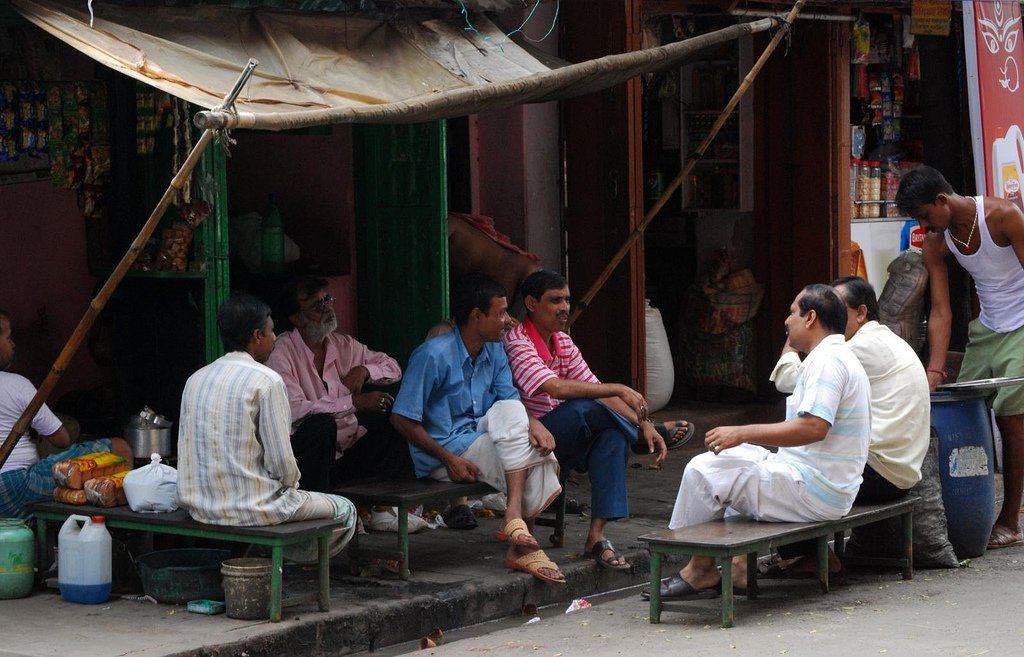
Rahim told the story to a few friends the next day while drinking tea at a small roadside stall. Everyone laughed at first. Someone joked that he was dreaming.
But then an older man sitting nearby quietly said:
“That sounds like a Nishi calling.”
Suddenly the mood changed.
The Spread of the Story
In villages, stories travel faster than motorcycles.
Within two days:
- People said Rahim almost followed the voice.
- Someone claimed the voice was heard near the pond.
- Another villager added that a dog was howling at the same time.
None of these details were in Rahim’s original story.
But once added, they stayed.
This is how gossip begins evolving into folklore.
The Role of Fear and Community Imagination
Folklore researchers often notice something interesting: when people repeat a scary story, they unconsciously add dramatic elements.
In this case:
- someone added that the voice came from the bamboo grove
- someone else claimed the spirit lures people to ponds
- another person warned children never to respond if their name is called at night.
Soon the story was no longer about Rahim’s strange experience.
It became a community warning story.
The Folklore Character Behind the Rumor
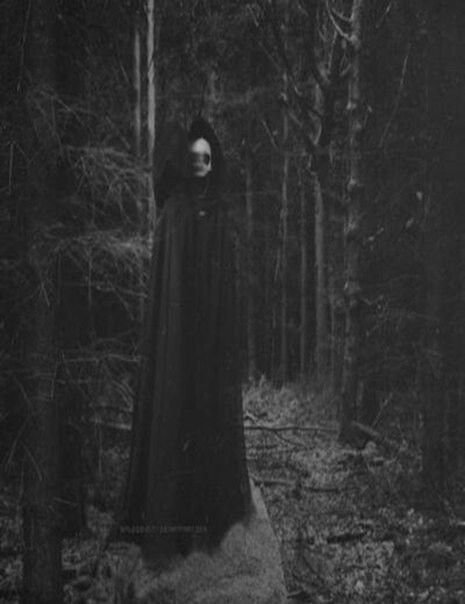
In Bengali folklore, the spirit known as Nishi is believed to call people at night using the voice of someone they trust.
If the person follows the voice, they may become lost or encounter danger.
Whether people believe this literally or not, the story serves an important purpose:
It warns people not to wander outside alone at night.
So even if the ghost is imaginary, the social function of the story is very real.
When Gossip Becomes Tradition
About three months after the original rumor, something interesting happened.
Children in the village began repeating the story to each other. Parents started using the story to warn them:
“Don’t go out at night. If a voice calls you, it might be Nishi.”
At this stage the story had completely transformed.
It was no longer:
- Rahim’s strange experience.
It had become:
- a local ghost legend.
And the most fascinating part?
Some people telling the story didn’t even know Rahim was the original source.
Why Horror Gossip Survives
Stories like this survive for generations because they combine three powerful elements:
- Mystery
- Fear
- Community storytelling
When people sit together and tell stories at night, the atmosphere itself makes the story more believable.
As one villager joked while laughing:
“During daytime we don’t believe these things. But at midnight… everything feels possible.”
Conclusion
This case study shows how folklore is not always ancient or mysterious in origin. Sometimes it begins with something very ordinary:
A rumor.
A strange experience.
A conversation at a tea stall.
But as people repeat the story, add details, and connect it with traditional beliefs, the gossip slowly evolves into folklore.
And before anyone notices, the village has a brand new ghost story to tell on quiet nights.dPress. This is your first post. Edit or delete it, then start writing!

Leave a Reply to A WordPress Commenter Cancel reply